Logo

Betonred Reviews For Australia

A practical 2026 look at account setup, payments, game choice, support, and safer play for adults in Australia.

Slot Fortune Gems 2

Table of Contents

  • The Dog House Megaways Slot
  • Lucky Joker 10 Extra Gifts Slot
  • Sword of Ares Slot
  • Floating Dragon Hold & Spin Slot
  • Leprechaun Riches Slot
  • Fruit Coctail Slot
  • The Dog House Megaways Slot
  • Sword of Ares Slot
  • Fruit Million Slot
  • The Dog House Megaways Slot
  • Fruit Box Slot
  • Big Fisherman Slot
  • Seven Books Unlimited Slot
  • Betonred Fortune Slot
  • Sword of Ares Slot
  • Floating Dragon Hold & Spin Slot
  • 9 Mad Hats Slot
  • Floating Dragon Hold & Spin Slot
  • Big Bass Splash Slot

First Impressions That Matter More Than Hype

Most people do not choose a platform because a banner looks loud or a front page promises too much. They decide after a few simple checks: how easy it is to register, whether the lobby makes sense, how clearly the cashier is built, and whether the account area feels usable before money is involved. For adults in Australia, that practical first look matters more than branding language.

reviews 1

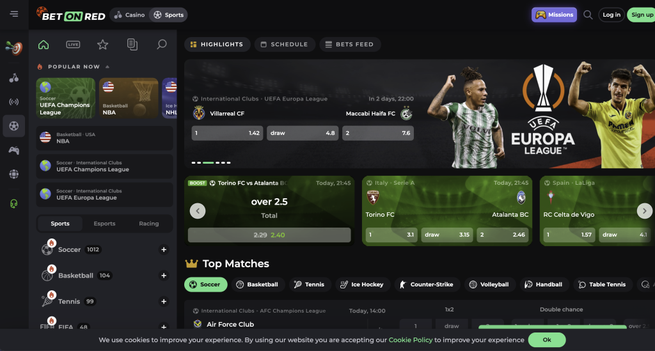
Imagine opening the platform after dinner with half an hour free. Usually players want a straight path: sign in, understand the layout, find the games section, and see where the deposit controls sit before starting anything. If those basics are obvious, the session already feels more manageable.

reviews 2

Registration, Verification, And A Clean Start

Registration should feel like a sequence, not a test. Most platforms ask for standard details first, then guide the user toward confirmation steps, profile review, and payment access. The sensible approach is to follow that same order instead of rushing directly into the game lobby.

Picture a player setting up an account late at night on a phone. Usually that is when the small mistakes appear: the wrong email, an unfinished profile field, or a password saved nowhere. None of that seems serious in the moment, yet each one can slow down later account actions and make support contact more annoying than it needs to be.

A better first-day routine is simple. Register carefully, confirm the details you actually use, open the account page once, and review any missing prompts before the first deposit.

Why The First Deposit Should Stay Small

The first deposit works best as a test of the system, not as a statement of confidence. Usually players learn more from a short session with a measured amount than from jumping straight into a long evening with too much money in the balance. It gives you a chance to see how the cashier, history tab, and balance display behave in practice.

Imagine a user who adds a large amount immediately, then spends the next hour figuring out where transaction records are stored and how the account tools are labelled. A smaller start leaves room to learn the platform while keeping the session controlled.

What To Review Before Playing For Real

Before you begin a proper session, check whether the account section shows your details clearly, whether the cashier lists methods in a readable way, and whether any deposit or session limit tools are easy to find. Players often ignore these items until something feels wrong.

Picture someone planning a weekend session with a fixed budget. That player benefits more from knowing where the controls are than from opening the first title quickly.

Payments, Withdrawals, And Cashier Logic

The cashier is where a platform proves whether it respects the player’s time. A useful one does not only show deposit methods. It also explains where to request a payout, where to find previous transactions, and whether the account displays pending actions clearly enough to avoid confusion.

reviews 3

Imagine finishing a session and deciding to move part of the balance out instead of leaving everything available for another round. Most players want a clear path: open the cashier, pick the method, enter the amount, confirm the request, and return to an account page that still shows the current status. If any step feels hidden, confidence drops fast.

Below is a simple way to review the cashier before a longer session starts:

Cashier Area

What To Check

Why It Helps

Deposit Section

Method list and amount entry

Makes funding the account more predictable

Withdrawal Page

Amount field and request status

Helps you follow the payout path clearly

History Tab

Dates, amounts, and current stage

Reduces confusion across several sessions

Balance View

Separation of available funds

Supports cleaner budgeting decisions

Limits Tools

Daily, weekly, or monthly controls

Turns a rough plan into a real cap

How Adults Usually Handle Payout Decisions

Many adults do not wait until the balance is very large before making a request. They often choose to remove part of the funds and leave only a planned amount behind for later entertainment. That habit helps create distance between a finished session and the temptation to continue automatically.

Imagine a player who has had a decent evening and feels the urge to keep going just because the balance still looks comfortable. A partial cash-out changes the mood of the session.

Why Repeated Small Top-Ups Can Be Misleading

Large deposits attract attention, but repeated small ones often cause the real budgeting problem. Each extra top-up feels minor on its own, especially on mobile where the payment flow is fast, yet together they can exceed the original plan by more than the player notices.

Picture someone adding a little more three or four times because each step seems harmless. Usually the issue is not the size of any one action. It is the way extra deposits start to feel like part of the gameplay rhythm instead of a separate money decision.

Games, Session Flow, And Better Choice Habits

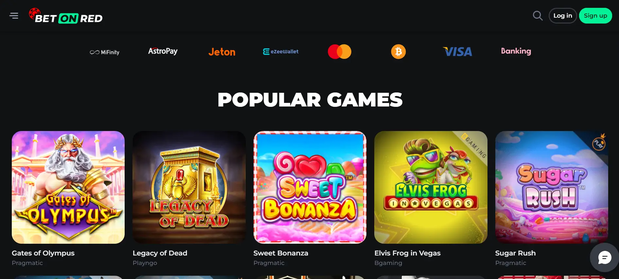
A wide game library only helps if the platform makes choice easier instead of noisier. Adults in Australia often want to answer a few practical questions before they open anything: do I want a shorter or longer session, do I want simpler rules or more moving parts, and am I browsing for variety or for a familiar rhythm?

Imagine entering the lobby after a long day. Usually the easiest mistake is to click whatever looks loudest, then jump to another title five minutes later. The session becomes fragmented before it has really started. A better approach is to choose the type of experience first and only then choose the title.

The best platforms support this by making filters, categories, and search visible enough to reduce noise.

Picking A Title For The Time You Actually Have

A common mistake is choosing a game as if you had unlimited time. In reality, many sessions happen between other parts of the day - after work, before bed, or during a quiet hour on the weekend. Usually it makes more sense to match the title to the time available rather than the other way around.

Imagine you have twenty minutes, not two hours. A simpler option with clear pacing may fit better than something that encourages constant switching or long stretches of indecision.

Why Search Matters More Than A Huge Lobby

A very large lobby without strong search tools can feel smaller in practice because it wastes the player’s attention. Search turns a broad collection into something usable. Adults who know what they want - or at least what they do not want - save time when they can narrow the field in a few taps instead of scrolling through endless tiles.

Picture a player who prefers one familiar style and does not enjoy browsing for half the session. That person benefits from a visible search bar and sensible filters more than from another page full of featured items.

How To Avoid Turning Browsing Into The Main Activity

Browsing feels harmless, but it can quietly extend a session before real play even begins. Many users jump between categories, compare too many options, and end up spending more time deciding than enjoying the session itself. Usually the easiest fix is to set a simple rule before entering the lobby: one category, a small shortlist, and one clear stop point.

Imagine opening the platform with no plan and noticing that forty minutes disappeared before you settled on anything. A tighter browsing routine protects both time and attention.


Mobile Use In 2026 Changes Player Behaviour

For many users, mobile is no longer the backup device. It is the main one. People register on a phone, check balances on a phone, and often play there because it fits naturally into everyday life. That convenience is real, but it changes how quickly decisions happen.

Imagine someone opening the platform while commuting or waiting in line. Usually the goal is not a deep, reflective session. It is a quick check, a short browse, maybe a few minutes of play. When the layout is compact and the important tools sit close together, that routine can feel efficient.

Smaller screens also make some habits more impulsive. It is easier to miss a detail or add funds without pausing long enough to think. Adults who play mostly on mobile often benefit from more structure, not less.

What Makes A Phone Session Easier To Control

The easiest way to control a phone session is to set the limit before choosing the game. Many players do the opposite. They open a title first, let the pace take over, and only later notice how much time has passed or how often they have reopened the cashier.

Picture a player giving the session fifteen or twenty minutes and sticking to one title. Usually that feels calmer than treating the phone as an endless reel of options.

What Betonred Trustpilot Discussions Usually Reveal

Public opinion pages can be useful, but only if they are read carefully. A single strong opinion rarely tells you much. What matters more is the pattern across many comments: do people mention confusing payments, unclear support replies, difficult mobile navigation, or repeated account friction? Those repeated themes are more useful than dramatic praise or anger.

Imagine comparing feedback before opening an account. Usually the smart reader ignores the loudest comments first and looks for operational details instead. Are users talking about the cashier, the verification steps, the ease of finding limits tools, or the clarity of the mobile layout?

How To Read User Feedback Without Copying Their Mood

A useful reading method is simple: separate feeling from process. When you see a complaint or a compliment, ask what actually happened step by step. Was the issue about navigation, account confirmation, a missing history entry, or a misunderstanding about how a reward worked?

Picture a player scanning comments late at night before registering. If that person reads only the mood of each post, the picture becomes noisy. If the person reads for repeated process problems, the picture becomes clearer.

Who This Platform May Suit Best In Australia

This platform is likely to suit adults who value usability over spectacle. It makes more sense for people who want a readable lobby, a visible cashier, and account tools that are easy to find before and after a session. Some users enjoy spending a long time browsing and experimenting. Others want to sign in, choose a title, set a limit, and leave without unnecessary friction.

Imagine two players with the same budget. One enters with no plan, follows whatever stands out, and keeps topping up in small amounts because each step feels minor. The other decides the amount first, uses filters to narrow the lobby, checks the account area once, and treats the session like a bounded activity. Usually the second person gets a more stable experience, not because the platform changes, but because the routine does.

For adults of legal age in Australia, the sensible approach is to use any platform within applicable rules, clear personal limits, and a session plan that is easy to stop on time. That is the most useful conclusion for 2026. Any review worth reading should focus less on broad claims and more on the actual path adults take: registration, deposit, game choice, limit setting, payout request, support contact, and stopping on time.

FAQ

Start with the basics instead of the promises. Look at registration flow, account layout, cashier clarity, search tools, and whether support is easy to find. These are the areas that shape the real session. Adults usually get the best first impression by testing the path, not by reading the front page banners.

Because the first deposit should teach you how the system behaves. It lets you check the cashier, balance display, history tab, and general session flow without putting too much money into an unfamiliar routine. Many players learn more from one measured test session than from a long first night with a larger balance.

Check that your profile details are clear, confirm which payment method you are using, and open the transaction area so you know where status updates appear. It also helps to decide in advance whether you want to remove the full balance or only part of it. Adults who treat the payout step like a normal part of the session usually find it easier to leave on time and keep the next visit more controlled.

The best method is to decide the full session amount before you reach the cashier and treat any extra deposit urge as a signal to pause. Small top-ups feel minor because they happen quickly and do not look dramatic on their own. The problem is the total. A phone makes the whole cycle faster, so it helps to create friction on purpose by setting a clear cap before play begins.

A useful lobby helps you narrow choice, not expand confusion. It should make search obvious, categories readable, and filters easy to apply without endless scrolling. Most adults do not need more titles on screen. They need less noise between themselves and the type of session they actually want.

A break makes sense when the session stops feeling chosen and starts feeling automatic. That can happen when you keep reopening the platform out of boredom, frustration, or a desire to reverse the mood of the previous session. Timeouts are not only for serious problems. Often they work best when used early, before a pattern becomes expensive or tiring.

Read it for patterns, not for drama. One angry or delighted comment says less than repeated remarks about the same process issues. Look for mentions of navigation, payments, support clarity, mobile usability, and account tools. Those recurring details reveal more than strong emotions do.