













Logo

Betonred Casino App For Easy Mobile Play

In Australia, adult players can use this 2026 mobile overview to set up sessions, manage payments, and keep play controlled.

Slot Fortune Gems 2

Table of Contents

  • The Dog House Megaways Slot
  • Lucky Joker 10 Extra Gifts Slot
  • Sword of Ares Slot
  • Floating Dragon Hold & Spin Slot
  • Leprechaun Riches Slot
  • Fruit Coctail Slot
  • The Dog House Megaways Slot
  • Sword of Ares Slot
  • Fruit Million Slot
  • The Dog House Megaways Slot
  • Fruit Box Slot
  • Big Fisherman Slot
  • Seven Books Unlimited Slot
  • Betonred Fortune Slot
  • Sword of Ares Slot
  • Floating Dragon Hold & Spin Slot
  • 9 Mad Hats Slot
  • Floating Dragon Hold & Spin Slot
  • Big Bass Splash Slot

Why Betonred App Fits Daily Mobile Routine

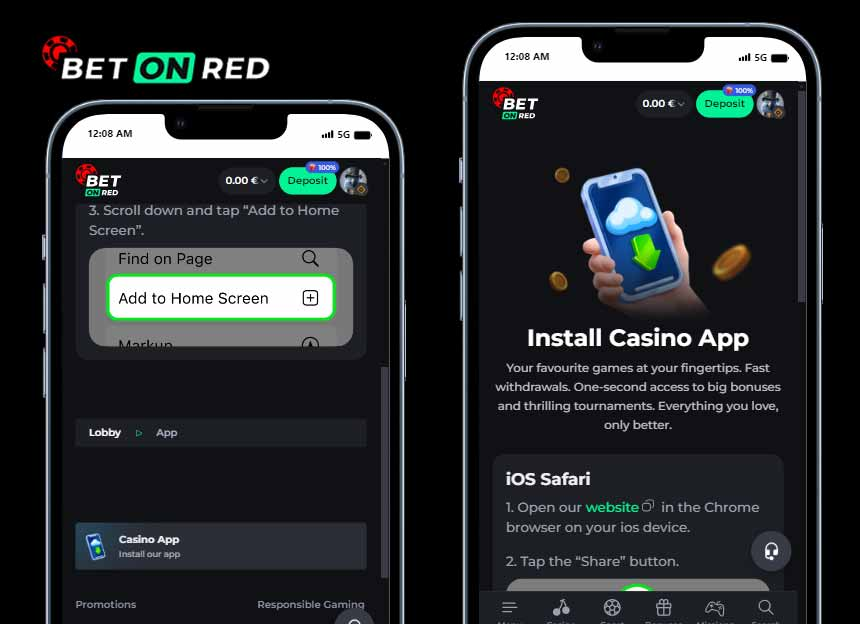
Mobile gambling works differently from desktop play. On a computer, people often sit down with a block of time in mind. On a phone, the platform slips into the day between other tasks - after work, during a quiet evening, or while filling a short gap before going out. That convenience is useful, but it changes behaviour. Players enter faster, leave later than planned, and sometimes confuse casual access with real control.
app 1

Imagine getting home with thirty free minutes before dinner. You open the platform because the phone is already in your hand, not because you planned a full session. In that moment, the quality of the mobile experience depends less on excitement and more on structure. Can you reach the cashier quickly? Can you review limits without scrolling through extra menus? Can you close the session just as easily as you started it?

How Betonred App Helps Short Sessions Stay Clear

Short sessions look harmless, which is why they need rules. A player with ten spare minutes usually tells themselves they will only browse or try one title. Yet that kind of visit often stretches because the device makes each extra tap feel too small to matter. One game becomes a balance check, then a return to the lobby, then a second look at the cashier.

Picture someone waiting for a friend to arrive. They open the platform for a quick spin, thinking the session will end before the doorbell rings. Instead, the phone keeps them moving from one menu to another. A clear mobile design helps, but the better defence is a pre-set purpose. Decide why you are opening the account before you log in. That one step creates a line between entertainment and drift.

Common Mobile Mistakes Before Real Play Begins

Most mobile mistakes are ordinary. Players log in on weak signal, ignore battery level, skip a limit check, or start while distracted by messages and background noise. None of these errors feels serious at the start. Together, though, they create a messy session that feels harder to control than it needed to be.

Imagine trying to register a payment while walking or switching between chat apps. Usually, the problem is not the platform itself but the way the player entered the session. A calmer setup works better: stable connection, enough battery, no rush, and a clear plan for what happens if the visit lasts longer than expected.

app 2

Registration And First Account Setup

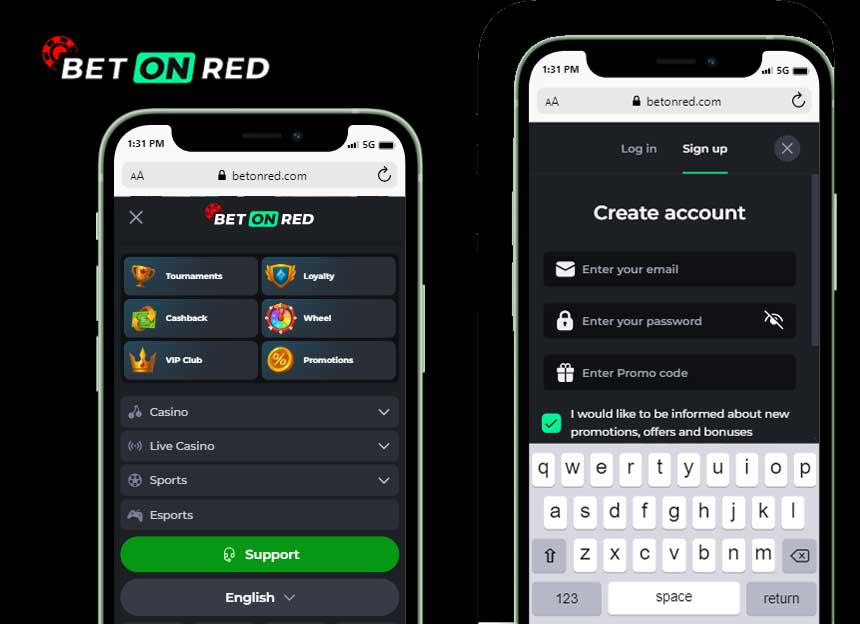
Registration on mobile should be simple, but simple is not the same as casual. The details entered at the beginning affect everything that follows - password recovery, payment reviews, support contact, and any later document request. Players often create their own future headaches by treating signup like a speed test instead of the foundation of the account.

Imagine filling out the form late at night with the television on and three notifications landing while you type. That is exactly when people use an old email address, enter a weak password, or skip reading the last confirmation screen. A better first step is slower. Enter the details once, review them once, and save the login information properly before you think about games.

Why Betonred Casino App Setup Should Not Be Rushed

A careful mobile setup saves time later because it removes avoidable friction from the beginning. If the player knows where profile details, security options, and session tools sit, later actions feel routine instead of stressful. The calmer the setup, the calmer the first real-money decision tends to be.

Imagine a new member who wants to jump straight into the lobby but stops for two minutes to review the account menu first. That tiny pause changes the rhythm of the whole session. Instead of reacting to the platform, the player begins by understanding it. That is a better starting point for every action that follows.

Mobile Payments, Deposits, And Withdrawals

The cashier is one of the most important parts of any phone gambling experience because money decisions happen faster on a small screen. A desktop setup encourages more pause. A phone encourages action. That is why payment habits matter more than many players expect. The strongest habit is simple: decide the amount before opening the cashier.

app 3

Imagine sitting on the sofa after work with your card already nearby. The payment page loads, and only then do you start asking what amount feels sensible. That order invites impulse. The better order is obvious once you see it - choose the budget first, open the cashier second, and submit only if the number still feels right outside the heat of the screen.

The same principle applies to withdrawals. Players who stay calm check the account summary, confirm the amount, review recent activity, and submit once. Players who feel tense refresh too often, repeat actions, or assume a slight delay means something failed. Often, patience is the most useful payment skill a player can have.

Mobile Task

What The Player Does

Why It Helps

Sensible Habit

First Deposit

Chooses an amount before opening the cashier

Reduces impulse

Set the budget away from the payment page

Method Choice

Uses one familiar option

Makes tracking easier

Avoid switching methods without a reason

Session Review

Checks recent activity after each action

Prevents repeated taps

Pause before trying again

Cash-Out Request

Confirms amount and account details

Cuts avoidable errors

Read the summary once more

Account Control

Reviews time and spend settings

Supports steadier play

Update limits before the next visit

A good mobile cashier feels almost boring. That is a compliment. When a payment area is clear enough that the player does not need to improvise, money decisions become easier to track and easier to stop.

What To Check Before The First Deposit

Before the first deposit, check four things: your budget, your time limit, your chosen payment method, and your reason for playing today. This sounds basic, but most payment mistakes begin when one of those four stays undefined. A number chosen in advance is more reliable than one invented in front of the cashier.

Imagine opening the account for a short evening session and realising you never decided what “enough” looks like. That uncertainty usually pushes the amount upward, not downward. Usually, players do better when they choose a small, clear figure before the platform has a chance to influence their mood.

Handling Slow Payment Screens Without Panic

A slow-loading page is annoying. A duplicate action caused by impatience is usually worse. This is one of the classic mobile mistakes: the player assumes nothing happened, taps again, and then needs to untangle what the first request was already doing.

Picture the payment page freezing for a few seconds while you are already restless. The right response is not dramatic. Stop, check the transaction history, and avoid repeating the same step until you know the first action failed. Calm review solves more payment problems than rapid tapping ever will.

Finding Games And Managing Session Pace

A mobile lobby works best when it helps the player match game choice to actual time. Many people choose based on mood alone, then realise halfway through the session that the format does not suit the evening they are having. Fast choices feel wrong when attention is low. Slower formats feel frustrating when the player only has fifteen minutes.

Imagine opening the lobby during a short break and picking something that needs more focus than the moment allows. The session feels rushed before it even begins. A better approach is to ask one plain question: how much time do I really have right now? That answer narrows the choice better than excitement does.

Players often think self-control begins after a game starts. In reality, it begins at selection. The title you choose sets the pace, the mood, and how easy it will be to end the session when you planned to.

When Betonred Mobile Starts To Feel Too Easy

Phone access can become too comfortable. That sounds strange, but it is true. When the platform fits perfectly into the hand, sessions start without enough thought. The player does not “sit down to play” anymore. They simply tap because the device is already open.

Imagine checking your phone for messages and sliding into the casino almost without noticing the decision. That is the moment to slow down. Easy access is useful only when it still includes conscious choice. If it starts replacing conscious choice, the mobile routine needs stronger boundaries.

Building A Better Exit Routine On Phone

Most players think about how to start a session, not how to end one. Mobile play makes that oversight more dangerous because the account can stay open in the background and pull attention back later. A strong exit routine solves that. Check the result, close the platform fully, and move to another activity on purpose.

Picture finishing a session and leaving the account open while you return to social media. Ten minutes later, you drift back because it is still there. A proper close breaks that loop. Logging out or shutting the session completely is not just tidy - it helps keep the visit in its place.

Security, Verification, And Support Contact

Security on mobile is usually about routine care. Use a password that is not reused elsewhere, decide whether the device should stay signed in, and think about whether your phone is private enough for quick access. Convenience and caution both matter. The right balance depends on how the device is actually used in everyday life.

Imagine a player who shares a living space, leaves the phone nearby, and sometimes hands it to someone else for ordinary tasks. In that situation, extra login friction may be useful. Another player uses a private personal device and prefers a quicker sign-in flow. Both choices can be reasonable if they are deliberate.

Support works best when it gets facts instead of frustration. “It is broken” may be honest, but it does not help much. A better message explains the device, the moment the issue appeared, the action being attempted, and what happened next.

Writing A Support Message That Gets Results

A useful support message is specific enough that another person can picture the problem without guessing. Mention whether the issue appeared during login, cashier use, lobby browsing, or session launch. Add the device type and whether it happened once or keeps repeating.

Imagine two players facing the same error. One sends a vague complaint. The other gives context. Usually, the second message gets further faster because the support team has something practical to work with. Clear information is not just polite - it is efficient.

Limits, Breaks, And Long-Term Control

Responsible mobile play is built from small repeated habits rather than big emotional speeches. Set a spending boundary, use a time reminder, and decide in advance what ends the session. These steps look unremarkable, but they do more real work than promises made when the mood is already heated.

Imagine noticing the same pattern over several evenings. You do not plan to play, yet the phone keeps leading you back in because opening the account feels effortless. Nothing dramatic happens in a single visit, but the pattern is becoming automatic. That is when limit tools and short pauses become most valuable.

Break tools are not only for major problems. They also help with smaller issues - boredom play, repeated late-night sessions, or the feeling that the platform keeps filling spare moments that used to belong to something else. Used early, these tools create distance before the habit grows heavier.

A strong routine also includes permission to leave without chasing a better ending. Players often stay because the next few minutes feel like they might “fix” the session. Usually, that belief makes the ending worse. Clear stop points are boring, but they protect both money and mood.

FAQ

Start with a reason, not with a game. Decide whether you are opening the account to test the lobby, make a deposit, or play for a short planned window. Then choose a budget and a time limit before logging in. This makes the first session feel like a controlled test rather than a loose experiment.

The best habit is deciding the amount before opening the cashier. Once the payment page is on the screen, the decision feels hotter and quicker. Players usually do better when the number is chosen in advance, the method is familiar, and the transaction history is checked before any repeated action.

Because the transition from one step to the next feels too small to notice. A balance check becomes lobby browsing, then a quick game, then another few minutes that no longer feel planned. Without a timer or a clear purpose, the phone turns a short visit into a longer one very quietly.

A break helps when the platform starts appearing in your day without a clear decision behind it. Maybe sessions are stretching later into the evening, maybe you are logging in from boredom, or maybe the device keeps drawing you back after you thought the visit was over. Those are sensible moments to pause.

Review your profile details, saved login habits, payment menu, session tools, and support options. This first check is practical, not exciting, but it shapes everything that follows. Players who know where the useful tools are usually feel calmer when real decisions begin.

Keep them factual. State what happened, when it happened, what device you were using, and which step caused the issue. The shorter and clearer the message, the easier it is for support to understand the situation. Emotion is natural, but details are what move the issue forward.

A real exit routine helps most. Check the result, close the platform fully, and switch to a different activity on purpose instead of leaving the account open in the background. The clearer the ending feels, the less likely the session is to restart itself a few minutes later.